Social Compliance & Ethical Audits
Protect your brand reputation and ensure regulatory compliance. We conduct independent social compliance audits to evaluate factory labor practices, health and safety, and management systems in Pakistan, Bangladesh, Vietnam, and India.
Request a QuoteSample ReportAligned with SA8000 & SMETA | Experienced Auditors | Serving US & EU

Protect Your Brand and Ensure Ethical Sourcing
Today’s US and EU consumers—and regulators—demand complete supply chain transparency. Sourcing from factories with poor labor practices, unsafe working conditions, or unauthorized subcontracting poses a massive risk to your brand.
A PRIAAS Social Compliance Audit goes beyond product quality. We evaluate the human and ethical side of your supply chain, ensuring your suppliers comply with international labor standards and local laws.
Whether you are preparing for a client-mandated SMETA/BSCI audit or conducting your own due diligence, we provide the evidence you need to verify ethical operations.
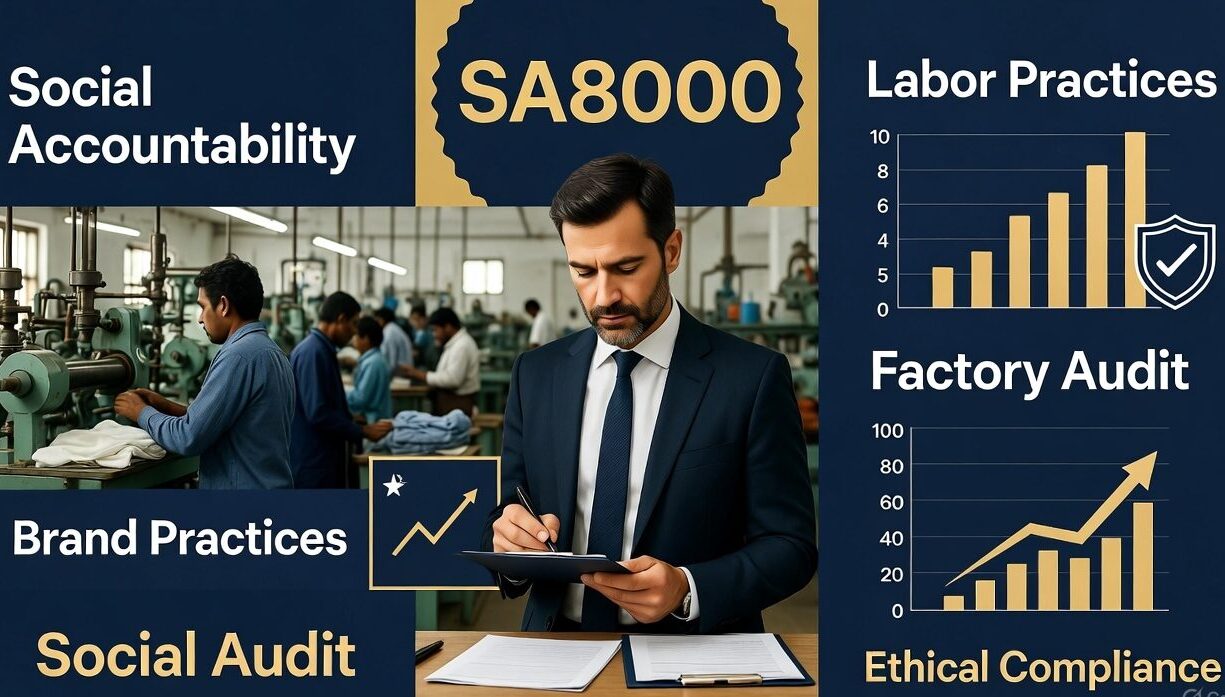
How We Conduct a Social Audit
We conduct social audits using internationally recognized frameworks, primarily aligned with SA8000 standards and SMETA (Sedex Members Ethical Trade Audit) best practices.
Our auditors do not just look at documents; they verify them. Our methodology includes:
Worker Interviews
Conducting private, off-site, or confidential interviews with workers to uncover issues or problems that management might hide
Document Review
Cross-checking payroll, timecards, and attendance records to ensure accurate wage payments and legal working hours
Physical Walkthroughs
Inspecting management & production facilities, dormitories, canteens, chemical storage, and fire safety equipment
Management Interviews
Assessing the factory’s understanding of local labor laws, safety lawas and their commitment to corrective actions
Social Audit vs. Factory Audit
Primary Focus
Social Compliance Audit
Factory Quality Audit
Primary Focus
Worker welfare, human rights, and ethical practices.
Production capacity, machinery, and QC systems.
Key Standards
SA8000, SMETA, BSCI, Local Labor Laws.
ISO 9001, AQL standards.
Risk Mitigated
Brand reputation, legal liability, consumer boycotts.
Defective products, shipment delays, financial loss.
Your Social Audit Report
You will receive a comprehensive PDF report within 3 to 5 business days.
The report includes:
1
A clear Pass / Conditional / Fail result based on the severity of the findings.
2
Detailed evidence (photos and document) of any violations found.
3
A Corrective Action Plan (CAP) for the issues found
4
A confidential worker interview summary.
Social Compliance Audit FAQs
1
What is the difference between SMETA and SA8000?
SMETA is an audit methodology and report format (often required by UK/EU retailers), while SA8000 is a comprehensive management system standard. Our audits are structured to evaluate compliance against these recognized frameworks.
2
Do you offer unannounced audits?
Yes. Depending on your requirements, we can conduct fully unannounced audits, or give the factory a very short notice (e.g., 24 hours) to ensure we see their true day-to-day operations.
3
How do you handle bribery or attempts to hide issues?
Our auditors are strictly trained in anti-bribery protocols. We cross-reference worker interviews with payroll records and use independent sources to verify information. Factories cannot “buy” a passing score.
4
What happens if a factory fails a social audit?
A “fail” means critical issues were found (e.g., child labor, locked fire exits). We provide a Corrective Action Plan (CAP). The factory must then implement these changes, and a follow-up audit is usually required to verify the remediation.
5
Can you audit factories in Vietnam and Bangladesh?
Yes. We have local auditors on the ground in Pakistan, Bangladesh, Vietnam, and India, all trained in local labor laws and international compliance standards.
Ready to verify your supply chain ethics?
Provide your factory location and any specific compliance frameworks you need to meet (e.g., SMETA, BSCI, or your own code of conduct).
What Our Auditors Evaluate
Child Labor
Verifying age documentation, ensuring no underage workers are employed, and confirming that effective remediation policies are in place if a violation is found
Forced or Compulsory Labor
Ensuring all work is voluntary, workers face no human trafficking or modern slavery & there is no withholding of original ID documents or financial deposits
Health and Safety
Evaluating safe work environment, including fire safety, electrical safety, machine guarding, clean drinking water, hygienic sanitation, and robust emergency protocols
Freedom of Association & Right to Collective Bargaining
Ensuring workers have the right to form or join trade unions and bargain collectively without fear of retaliation, discrimination, or harassment
Discrimination
Assessing hiring, remuneration, access to training, promotion, termination, or retirement practices to ensure zero bias based on race, caste, gender, religion, or any other characteristic
Disciplinary Practices
Ensuring the workplace is free from mental or physical coercion, verbal abuse, animosity, against any race or group, sexual harassment, or any form of harsh and inhumane treatment
Working Hours
Verifying compliance with applicable laws & industry standards, ensuring the regular workweek does not exceed 48 hours, overtime is voluntary and limited (not exceeding 12 hours/ week), and workers receive at least one day off out of every seven.
Remuneration
Ensuring workers are paid at
least the legal minimum wage (or industry benchmark, whichever is higher), that wages are sufficient to meet basic needs plus some discretionary income, and that premium rates are paid for all overtime
Management Systems
Evaluating the organization’s structural framework, policies, procedures, related documentations and internal monitoring systems required to continuously implement, maintain, and enforce SA8000 compliance across all operations